
Portions and hunger
Portions that match your job, training, and sleep
We connect plate size to real life: desk work, gym days, late Finnish summer evenings, and nights when you slept badly. No internet one-size chart—just your hunger and your week.
Hunger
Are you hungry—or cold, bored, or tired?
Many people open the fridge after stress at the computer, not because the stomach is empty. For a few days you can write one word next to snacks: “hunger,” “stress,” “cold,” “habit.” No judgement—just data. If afternoons crash, we test a lunch with more fish, beans, or eggs and see if focus changes. If evenings are snack-heavy after short sleep, we adjust food and also bedtime snacks (warm milk, small sandwich) instead of only blaming “willpower.”
Office coffee all afternoon can hide tired hunger and then push chocolate cravings. Trying the last coffee before two o’clock is a food experiment, not a life sentence. We check how your body feels, not whether you were “good.”
Calories in a small bite
Nuts, oil, and cheese: rich foods where small amounts add many calories
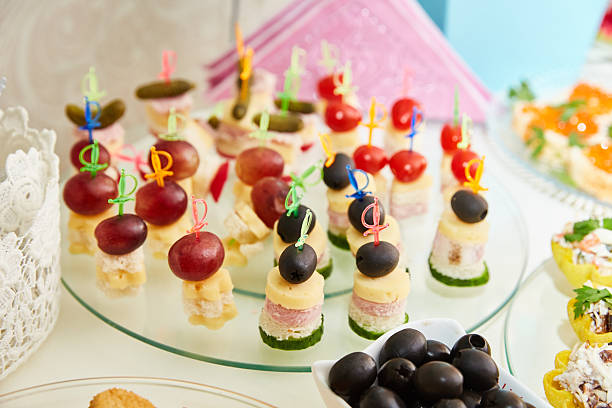
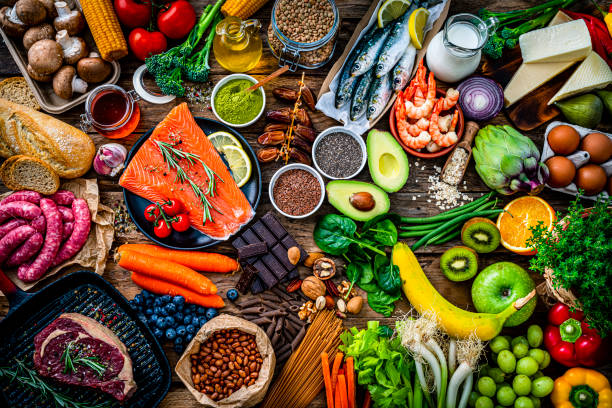
Nuts and seeds carry a lot of calories in a small handful because they are rich in fat—that fat is useful for vitamins and fullness, but portion still matters. Pair nuts with fruit or yogurt so you notice when you are satisfied. Vegetables and broth add volume for few calories, which helps when you want a big bowl of soup or stew. Lentil soup with bread is a cheap way to feel full without measuring every gram.
If you want to learn sizes without scales, use familiar pictures: cheese about the size of two fingers, cooked pasta about one coffee mug, meat or fish about your palm. Those pictures still work in a restaurant or at a friend’s house.
Food and movement
Eating around sport, skiing, and outdoor work in cold weather
Bring dry clothes after winter training, drink water even when you do not feel thirsty, and pack a sandwich or trail mix for long ski days. Sports drinks are fine for long sessions; read the label—some bottles are two servings. If you add more fibre from oats and beans, raise it slowly and drink extra water so your stomach stays comfortable. Questions about vitamin D or iron tablets belong with your doctor or nurse, not with a website.
Protein at meals
Spread protein through the day—not only on the dinner plate
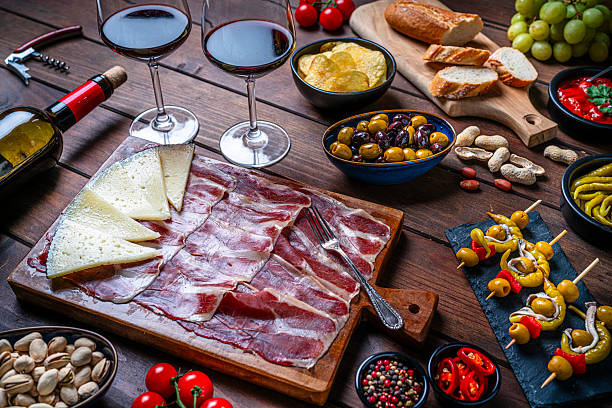
Many people eat almost no protein until dinner. Moving some to breakfast and lunch often steadies hunger: skyr with oats, egg on rye, tuna in a wrap, or yesterday’s beans in soup. Plant proteins (lentils, chickpeas) bring fibre; fish, meat, eggs, and dairy bring vitamin B12 and iron in forms the body absorbs easily. Mixed weeks are normal in Finland.
Water and other drinks help digestion and training recovery. If you forget to drink, fill a bottle in the morning and finish it by dinner.
Food questions
Scales, night shifts, and drinks that contain calories
Do I need kitchen scales forever?
No. Some people weigh food for a short learning period; others use hand sizes and a simple weekly check (“Did I eat fish twice?”). Pick the tool that teaches you and then step back.
I work nights—when should I eat?
We anchor main meals to your wake-up and sleep times, keep protein in each “main” meal of your shift, and move the last coffee earlier so daytime sleep is possible.
Do milk and juice count as food?
Yes—they add calories and nutrients. Plain water does not. Logging drinks for a week often explains surprising energy ups and downs.